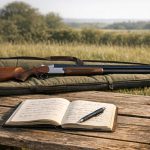

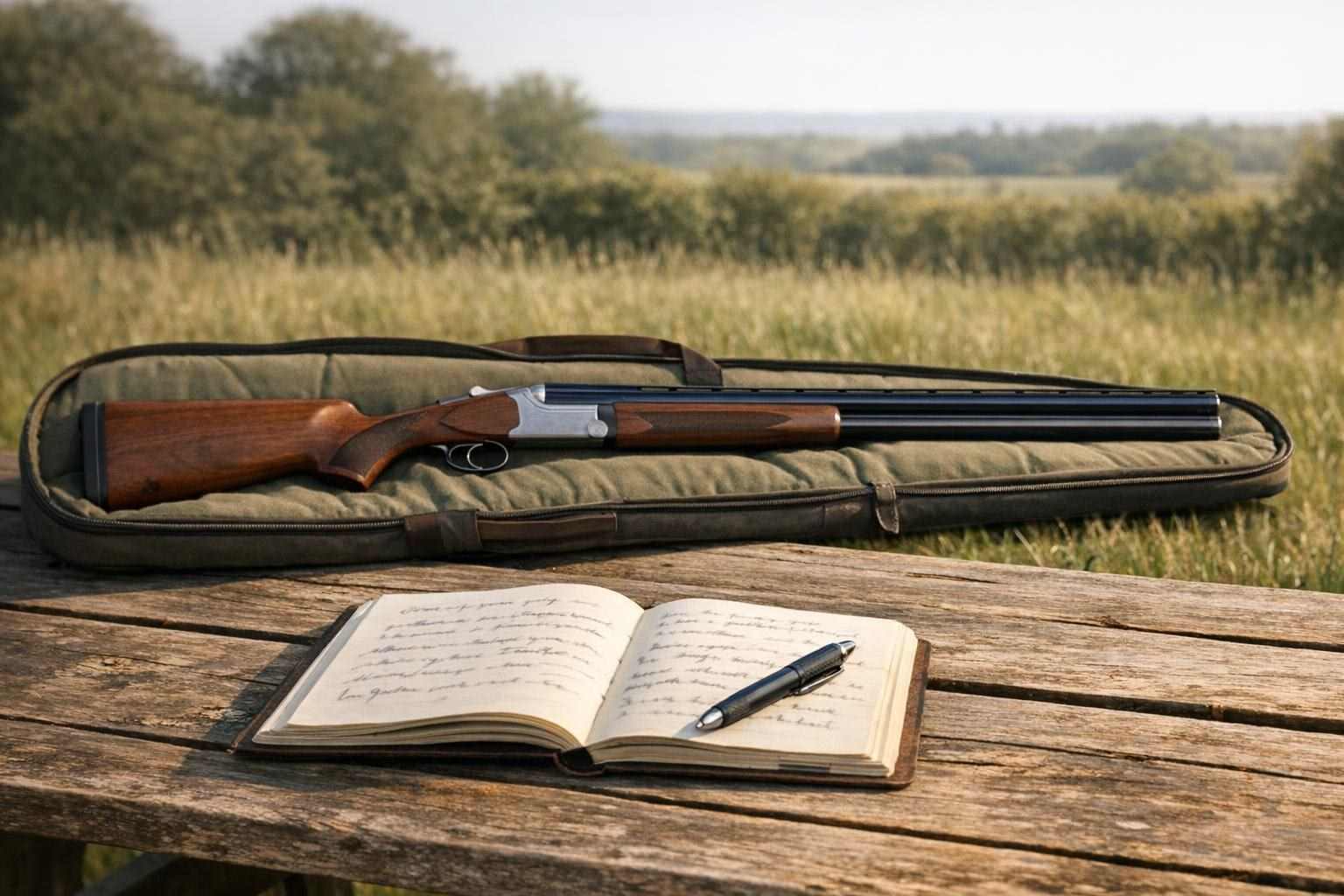

Invaluable field notes that render good service are not mere mementos of days spent outdoors but also provide clear indication of what has been of value in terms of pre-departure efforts, what is woefully lacking with regards to equipment and conditions encountered that affect the hunt itself. The upland hunter will realize within a few lines whether there are any maintenance items that could jeopardize safety before they fail. While simple to write, such notes are useful to the writer as a means to refer to in order to conduct pre-trip checks, when shopping for new items and to decide whether or not to take something along that may see use at a later date.
Start with conditions you can actually compare
For useful field notes start with a simple set of conditions that can be compared, such as location, date, weather, ground conditions and type of cover. "Wet cover, poor vehicle access to some areas and long walks between likely areas" is a more useful set of notes than a literary description of the day's outing.
When you're out on your hunting trip, take note of any changes in the conditions throughout the day. A cold and damp start to the day with warmer conditions later on means you'll need to change your clothing, the covering on your optics may deteriorate, ammunition could be affected by the moist air, and metal surfaces could rapidly develop condensation. If you're in very tall grass, or thick cover, or even on very steep terrain, then the way you carry your hunting equipment could be affected for safety reasons.
Don't confuse observations for conclusions. So instead of saying "poor cover" when you find few visible birds in open cover, you should save that for your future notes after you have enough experience to confirm your conclusions.
Note preparation successes and failures
The smallest details regarding your gear can make very useful field notes. Will your vest hold your gear in place? Will you need more water or a different layer? How will you protect your maps and documents? Do straps slip? Does your gear collect moisture? Are your cleaning cloths hard to find?
Leave a record of separate problems with your equipment and your planning. If a late start to the day was caused by delayed access then this is a separate matter from having found that the batteries had gone in your flashlight before setting out. The first problem requires a revision to your schedule for the day whilst the latter requires a replacement to be purchased or a check prior to departure to ensure that it is sufficient for your needs.
Remember whether you need to repeat something or not. When you're recording your notes write them down in simple terms as you would say them out loud. These notes could be used by someone else to work out why your gloves became wet and were unable to grip things.
Turn firearm observations into maintenance prompts
Try to be as specific as possible and note any symptoms that are not normal (unusual stiffness, unusual feel of a control, action not closing or opening as expected, unusual marks, loose hardware, moisture in areas that cannot be inspected etc.). As for any changes in sound, fit or operation – don't brush them off as mere wear and tear – investigate and record.
Do not try to diagnose a problem with your firearm from a note. Stop using your firearm immediately if its operation becomes abnormal in any way and have it looked at by a qualified gunsmith or other appropriate person as soon as is safe to do so.
Don't use your hunting notes to try to talk yourself into going for one more hunt with a failing item of equipment. One day's delay is worth a lot of potential trouble.
Build a repeatable pre-trip check
Make a list of all items you will need for your next hunting trip and check them against your earlier observations of how they function. For example, if in an earlier note you mentioned that your vest wasn't quite big enough to hold all of your gear, check to see if you have since obtained a larger vest. For items such as cleaning clothes, make sure that you have an adequate supply.
Be sure to add to your checklist all items that in retrospect you would have liked to have brought. Also be sure to include in your pre-trip check any parts of your gear that in previous trips have gotten wet (e.g. your gun case). Also look for areas where dust or plant material may collect and try to clean those areas before storing your gear.
Separate your ammunition to go on your trip as you would for storage and refer to the required Firearm Storage and Transport rules as they can change and be relevant for Travel as well.
Use records when buying or replacing equipment
You can use your trip diary as a shopping list to prevent impulse buying of equipment that won't meet your needs in the field. Instead of recording that some piece of equipment didn't work for you write out the specific problems that piece caused (i.e. poor access while wearing gloves, uncomfortable weight for long hikes, terrible visibility in low light, poor moisture protection of gun case, etc.).
Leave your shopping to the shop and put your procurement into good order. Think about the problems you have identified time and again and look at what various alternatives have to offer. When you are at the point of purchase check for compatibility, size, safe use and for return or repair. Check for support from the seller or manufacturer.
These same principles must also be applied when purchasing a firearm. Consider how well the firearm will serve the intended purpose and how easily the firearm can be safely operated and maintained. Also, look for good qualified support for inspections and repair. Do not make a diary a scorecard for how good a product looks, or even how good a name is.
Keep field observations useful months later
Journal the events of your outing as soon as possible after returning. Re-read your journal entries a few days to a week before your next planned trip and review your useful observations under the following categories: Conditions, Preparation, Equipment. Symptoms. What worked well. What didn't work well. What do you need to do before your next trip.
A difference between a confirmed observation and your conclusion (opinion) from that observation. For example, "Moisture visible inside the case" is a fact but "the case caused the problem" is your conclusion and it may need checking by a professional.
Don't forget to record your reasons for not going on a hunt. Record why you did not go on a hunt due to weather, lack of access, equipment failure, or fatigue. These are valuable accounts of your reasons for not going on a hunt, and will, over time, provide a valuable and concise account of what to check, what to take, and what to avoid.