



Ensuring Safety Between Shooting Stations
After finishing a round of shooting a crucial decision looms: should you keep a grip, on shotgun while moving or pause to verify shotgun status? This brief hesitation is vital. A break‑action shotgun may look safe when shell remains in shotgun chamber. Establishing an consistent routine can eliminate confusion for yourself and others near you. Focus should not be on speed but on ensuring shotgun is in a state before proceeding.
Plan the Next Move Before the Shot
Before shot consider where shotgun will go next-whether to rack, slip or vehicle. Adhere to rules of shooting range or club as those rules must always take precedence over habits.
The Importance of Visible Action
Once shooting concludes, ensure muzzle is pointed in direction and finger is outside trigger guard. Action; do not rely only on noise of ejected cartridges or presence of safety catch to confirm gun is unloaded. Safety mechanism is not a substitute for gun that has been properly verified as empty.
Misconceptions About Break-Actions
Standard for gun safety is both visual and physical: action should be wide open. Both chambers must be visually checked and confirmed clear. Do not forget to inspect magazine tubes or ammunition sources. If uncertainty exists it is always wise to consult range officer or experienced instructor than making assumptions.
The Importance of Visible Action
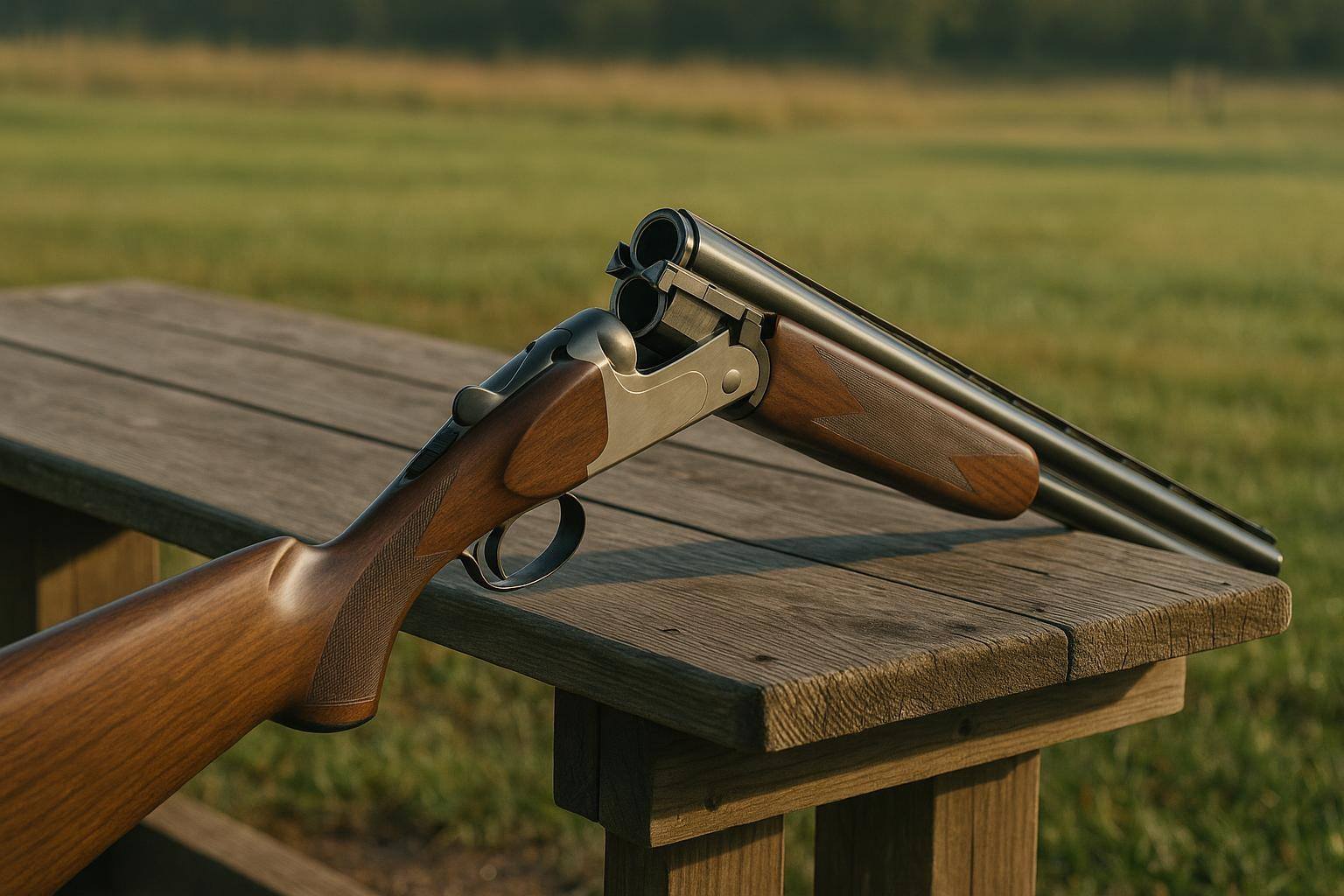
When break‑action of shotgun is fully opened both chambers should be visible provided action stays open while gun is handled or passed. For over‑under models ensure inspection of each chamber from position focusing on chamber openings rather than just breech face.
Conditions That Can Hide a Shell
Conditions such as lighting or debris can easily obscure shell that remains in shotgun chamber. Be aware that while ejectors may clear fired hulls extractors might leave them within; receiver appearance does not guarantee chambers are empty.
Handling a Stuck Cartridge
If encounter cartridge that is stuck avoid using force or improvised tools. Maintain control of muzzle alert those around you and adhere strictly to stoppage protocols outlined by range. Any cartridge that is jammed or appears damaged must be addressed by professional.
Confirming a Gun is Unloaded
Completing a shot does not automatically mean gun is unloaded. It is entirely possible for someone to close action after removing one shell or to mistakenly assume another person has unloaded gun. Always assertively state "open and empty" after conducting inspection. Never rely on confirmation this can lead to grave misunderstandings.
Passing a Shotgun
When passing shotgun ensure shotgun is open unloaded and pointed safely. Recipient must take initiative to confirm shotgun status before taking possession.
Shared Firearm Protocols
This principle is especially critical for those involved in bird hunting. Who share firearms in field. When working with guides, loaders or fellow hunters establish signals for indicating when gun's safe proper carrying directions and expectations for unloading before crossing obstacles or leaving designated area. Remain updated on guidelines, club mandates and landowner regulations as these can fluctuate.
Navigating Shared Spaces
An open action signals safety and clarity between shooting stations. Adhere to range or hunting guidelines while carrying firearm keeping muzzle pointed away from people. Maintaining control at all times. Never place gun where it could become tripping hazard or leave it unattended unless local regulations permit storage.
Maintaining Safety, on the Range
At shooting range only proceed forward. Touch equipment once firing line has been declared safe. During hunt take moment to double‑check gun condition before entering vehicle negotiating fence or mingling with others. Store unloaded shotgun according to site instructions-do not simply close action to fit into case. Always verify shotgun status before bringing it
Maintenance Needs and Safety Measures
If your shotgun becomes hard to open eject cartridges or close properly shotgun must halt use. Address the issue. Follow the manufacturers maintenance guidelines to clean the chambers and breech area while also checking for any damage. Look out for signs of rust a hinge unusual resistance, a cracked stock or a malfunctioning safety mechanism-all of which warrant consultation, with a qualified gun technician.
Never attempt to modify or repair components yourself as even small changes can drastically affect how the action functions or indicates its status. For secondhand break-action shotguns ensure a evaluates the locking surfaces, barrels, chambers, stock and safety functions before buying. A firearm that opens smoothly is visibly. Does not require methods for safety is the best option.
One Comprehensive Safety Checklist
1. Cease shooting. Keep the muzzle aimed safely.
2. Remove your finger from the trigger guard.
3. Fully open the action.
4. Inspect each chamber for ammunition.
5. Check any ammunition sources.
6. Keep the action open while moving, storing or handing over the gun.
7. Communicate the guns condition allowing others to confirm it themselves.
While this checklist serves as a guide it is not a replacement for training adherence, to range regulations and ongoing supervision. It should prompt you to establish the guns condition as even a two-second pause can prevent miscommunication.